Factors Affecting Precision Manufacturing in Die Casting
20 July 2026

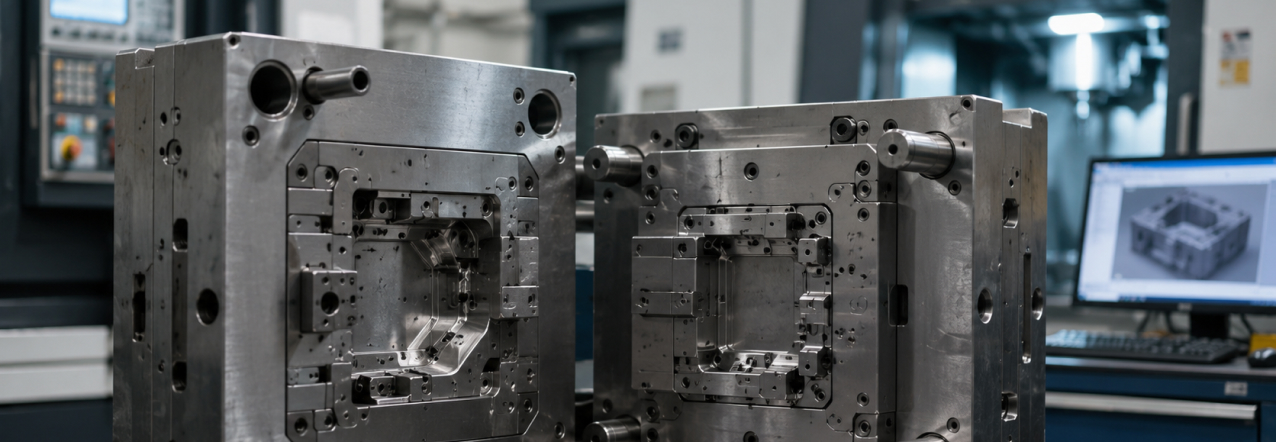
The design process begins with a detailed examination of the geometry of the part to be produced. Wall thicknesses, radii, parting line, core requirements, and the ejection direction are evaluated together. Unnecessary sharp corners, sudden cross-section changes, and uneven thicknesses can complicate the filling behavior. Therefore, part design and mold design should not be considered independently.
The speed and direction at which the molten metal reaches the mold cavity are directly related to the structure of the runner system. The position of the inlet regions, runner cross-section, overflow pockets, and air vent channels are planned with the goal of balanced filling. An unsuitable flow pattern can lead to problems such as air traps, cold shuts, and surface defects. Flow and filling simulations help identify risky areas before production begins.
Temperature variations in different regions of the mold affect cycle time, dimensional stability, and tool life. The placement of cooling channels is determined considering the thick regions of the part and areas with increased heat density. Balanced heat distribution supports more controlled solidification of the part and also reduces the risk of thermal fatigue on the mold surface.
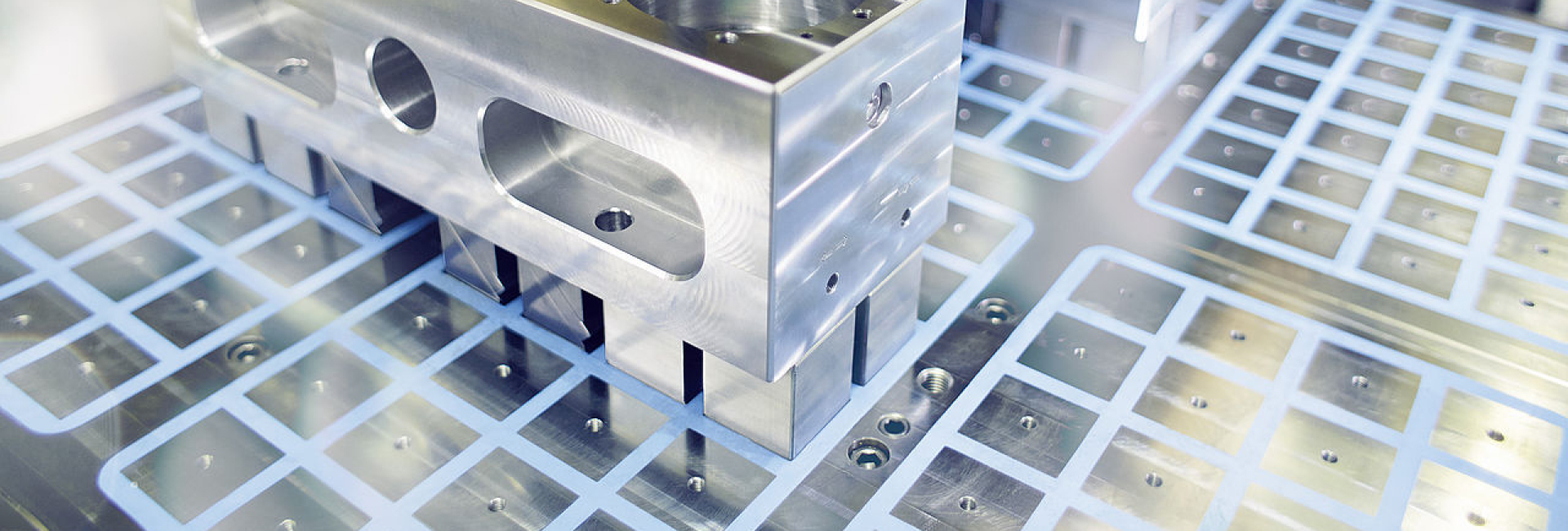
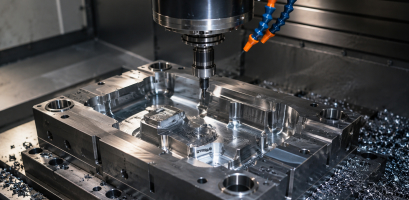
Choosing the appropriate hot work tool steel for mold components operating under high pressure and temperature is important. The material's resistance to thermal fatigue, cracking, hot wear, and plastic deformation should be compatible with the application conditions. Dimensional control during CNC machining, erosion, grinding, and heat treatment stages ensures proper assembly of mold parts and the smooth operation of moving components.
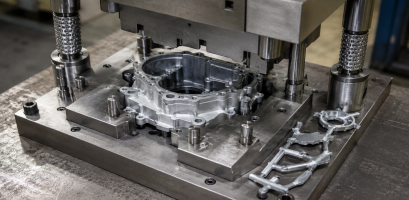
The number of mold cavities, annual part requirement, target cycle time, and production plan are evaluated together to determine the mold design. Multi-cavity molds should have cavities with similar filling and cooling conditions. Ejector systems, moving cores, and interchangeable parts should also be designed considering ease of maintenance. This approach helps reduce downtime and ensures more consistent use of the mold throughout production.
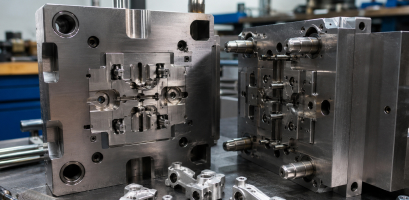
Completed components are checked during assembly for measurement, surface quality, and operational compatibility. Ejector systems, moving cores, connections, and cooling lines are evaluated together. A successful aluminum injection mold results from the integration of design decisions that are compatible with production conditions.