Basic Criteria in Aluminum Injection Mold Design
16 July 2026

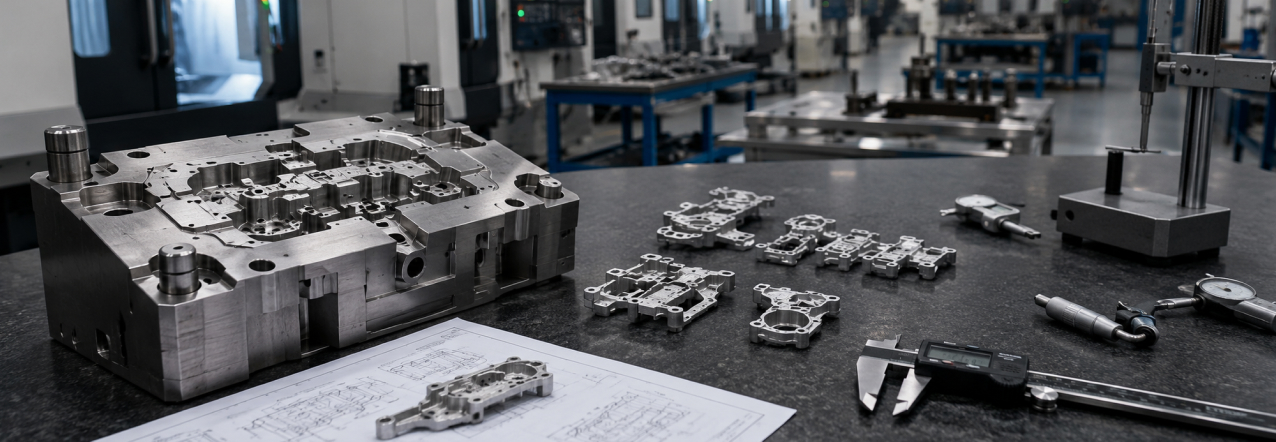
Zinc alloys are suitable for producing thin-walled and detailed parts through pressure casting thanks to their high flowability. However, for this advantage to translate into dimensional stability, the part geometry must be compatible with the mold structure. Balanced wall thicknesses, smoothing sharp corners, and properly determining slopes that facilitate ejection from the mold directly affect the filling behavior and surface quality.
To ensure the molten alloy reaches the mold cavity evenly, runner inlets, overflow pockets, and air vent channels are designed together. Sudden changes in flow direction or trapped air inside the mold can cause problems such as incomplete filling and surface defects. Therefore, the runner system should be evaluated not just as a channel for metal flow but as an integrated structure that manages the filling process.
Imbalances in mold temperature can create varying solidification conditions in different regions of the part. The placement of cooling channels, thick sections, and areas where heat accumulates should be carefully planned. Controlled thermal balance contributes to more consistent results across cycles and limits measurement variations.
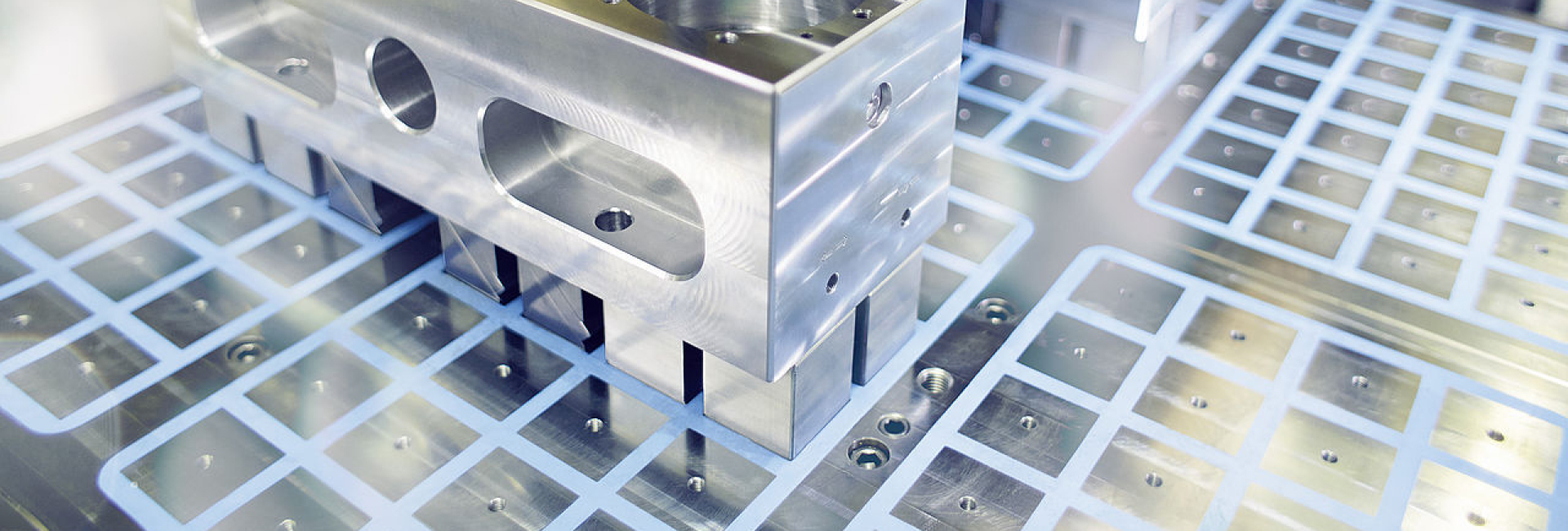
The precise machining of mold components, the fit of moving parts, and surface quality are critical factors determining production repeatability. Checks during CNC machining, erosion, grinding, and assembly support the design data for mold clearances and mating surfaces. Balanced operation of ejector systems and the easy separation of parts from the mold help reduce deformation risks.
Zinc alloy parts can be suitable for decorative or protective surface treatments. It is important to specify areas for coating, polishing, or painting during the design phase. The visibility of small surface imperfections can vary depending on the part's geometry and the expected final treatment. Therefore, visual surfaces and technical surfaces should not be evaluated with the same criteria.
In the initial sample production, dimensions, surface appearance, and ejection behavior are evaluated together. Based on the results, necessary adjustments can be made to the runner, venting, or moving components. Regular cleaning, lubrication, and wear checks help ensure the mold maintains the same precision in subsequent productions. Precise zinc alloy manufacturing is achieved through correct design decisions, controlled production, and planned maintenance.